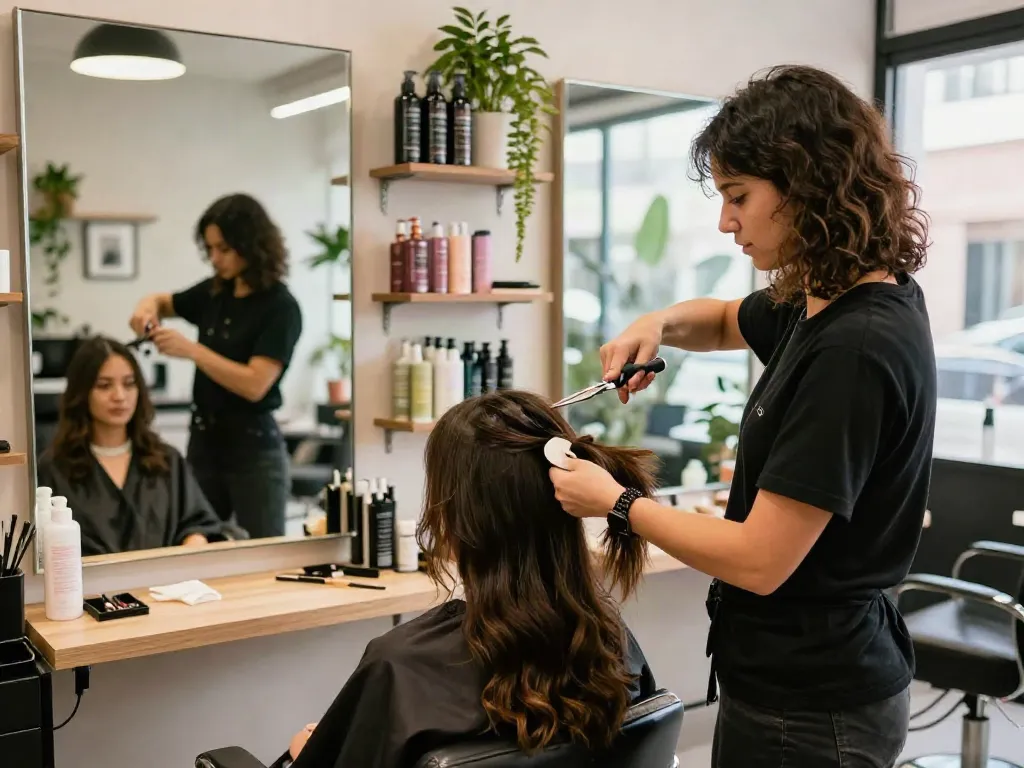
Understanding Tape-In Hair Extensions
Tape-in hair extensions have become increasingly popular among individuals looking to enhance their hairstyles with additional volume and length. These extensions are especially appealing to beginners due to their relatively simple application process and natural appearance. In this article, we will explore the essential aspects of tape-in hair extensions, specifically tailored for those just starting their journey with hair extensions.
What Are Tape-In Hair Extensions?
Tape-in hair extensions consist of small wefts of hair that are attached to sections of your natural hair using adhesive tape. This method allows for a seamless blend, making the extensions nearly undetectable. The hair used is typically 100% Remy human hair, ensuring a natural look and feel. These extensions come in various lengths, colors, and textures, thus providing numerous options for customization.
How Tape-In Extensions Work
The application of tape-in hair extensions involves placing a weft of hair between two sections of your natural hair. The adhesive used is designed to hold securely while remaining gentle on the hair. This method is often lauded for being less damaging compared to other extension techniques, as it does not require heat or glue. Once applied, tape-ins can last several weeks with proper care and maintenance.
Benefits for Beginners
Tape-in extensions offer a host of benefits that make them particularly suitable for beginners:
- Ease of Application: With a little practice, beginners can usually apply tape-in extensions within 30 minutes, making it a quick solution for adding hair.
- Natural Appearance: When properly matched to your natural hair, tape-in extensions blend seamlessly and give a natural look.
- Reusability: High-quality tape-in extensions can be reused multiple times, making them a cost-effective investment.
- Low Maintenance: They require minimal maintenance compared to other types of hair extensions, allowing users to enjoy their enhancements without extensive upkeep.
When exploring options, best tape in extensions for beginners provide comprehensive insights into quality and ease of use.
Choosing the Right Tape-In Extensions
Choosing the right tape-in extensions is crucial for ensuring a satisfactory experience and results. Several factors need to be considered to make an informed choice.
Factors to Consider
- Hair Type: Understanding your hair texture and type is vital. Choose tape-ins that match your natural hair's thickness and wave pattern for a seamless blend.
- Color Match: Select extensions that closely match your natural hair color. Many brands offer color matching services to assist in this process.
- Length and Volume: Think about how much length or volume you wish to add. Longer extensions can be more dramatic, while shorter ones can add subtle thickness.
- Quality: Look for high-quality Remy human hair extensions. They may be more expensive, but the investment pays off in terms of longevity and appearance.
Best Materials for Beginners
For beginners, 100% Remy human hair is the best choice as it is more forgiving and easier to manage. This type of hair is sourced from single donors, ensuring that the cuticles are aligned, which translates to less tangling and a natural flow.
Color Matching Tips
When selecting color, consider the following tips:
- Test Swatches: If possible, use color swatches or samples to compare against your hair in different lighting conditions.
- Highlight and Lowlight Options: If your natural hair features highlights or lowlights, look for extensions that mimic this variation for better blending.
- Consult Professionals: Seeking advice from a stylist can be particularly helpful when selecting the perfect shade.
Application Techniques for Beginners
Applying tape-in extensions may seem daunting at first, but with some guidance, beginners can master the technique quickly. Here is a step-by-step application guide to help you get started.
Preparing Your Hair
Before application, ensure your hair is clean and dry. Avoid using conditioner or oils, as these products can weaken the tape's adhesive. A light shampoo followed by thorough drying is advisable.
Step-by-Step Application Guide
- Section Your Hair: Divide your hair into sections using clips for ease of access.
- Apply the Tape-In: Take a weft of extensions and place it under a section of your natural hair. Firmly press the adhesive tape against your natural hair.
- Seal the Weft: Take another weft and place it above the section of natural hair, sandwiching the natural hair between the two wefts.
- Repeat: Continue this process until you achieve the desired volume or length.
Common Mistakes to Avoid
- Not sectioning hair correctly can lead to uneven distribution of extensions.
- Applying too much product on the hair can interfere with the adhesive.
- Skipping the consultation with a professional may result in poor color matching or improper application technique.
Caring for Tape-In Hair Extensions
Proper care is essential for maintaining tape-in extensions, ensuring longevity and a natural appearance. Below are recommended care practices.
Daily Maintenance Tips
- Gentle Washing: Use sulfate-free shampoos and conditioners to maintain the quality of the hair.
- Minimize Heat Exposure: Limit the use of heat styling tools as excessive heat can damage both your natural hair and extensions.
- Combing Carefully: Use a wide-tooth comb or a specialized extension brush to detangle hair, starting from the ends and working your way up.
Recommended Products to Use
Investing in the right hair care products is vital. Look for specific products designed for hair extensions, such as:
- Hydrating shampoos and conditioners
- Leave-in conditioners for moisture
- Heat protectants to shield against styling damage
Signs It’s Time for a Reapplication
Monitoring the condition of your tape-in extensions is crucial. Signs that it might be time for reapplication include:
- Visible gaps or lifting of the extensions from your natural hair.
- Visible damage or wear on the adhesive tape.
- Excessive tangling or matting of the extensions.
Future Trends in Hair Extensions
The hair extension industry is rapidly evolving. Here are some anticipated trends that might shape the future of tape-in extensions.
Innovative Technologies in Hair Extensions
As technology advances, we are likely to see developments in the adhesives used for tape-ins, making them more durable while being gentle on the hair. Innovations may also include better quality hair sourcing practices, leading to more ethically sourced products.
Environmentally Friendly Options
With the rising demand for sustainable products, brands are focusing on creating eco-friendly hair extensions. This includes using ethically sourced hair and recyclable packaging materials.
2026 Predictions for Hair Extensions
Looking forward to 2026, we expect a continued emphasis on personalized hair solutions, allowing users to customize their extensions more than ever. Innovations in color technology may also enable more vibrant, long-lasting shades.
What Hair Professionals Say about Tape-In Extensions?
Many hair professionals recommend tape-in extensions for their versatility and ease of application. They are often seen as a favorite among both stylists and clients due to their ability to blend seamlessly into the natural hair.
How to Choose the Best Extensions for Your Hair Type?
Choosing extensions that complement your natural hair is essential. For those with fine hair, thinner wefts may work best, while thicker hair can accommodate more volume with thicker extensions.
Can Beginners Do Tape-Ins Themselves?
While it is possible for beginners to apply tape-in extensions themselves, many experts recommend getting help from a professional for the best results, especially during the initial application. Over time, with practice, the confidence and skill to do it independently can develop.